
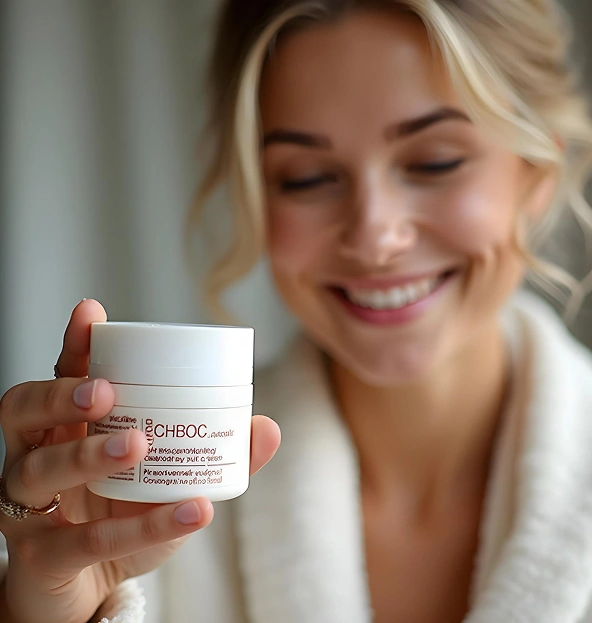
1. Ingredients Are Listed by Quantity Cosmetic ingredients are listed in descending order of concentration. This means the first few ingredients make up the largest portion of the product. For example, if “Water (Aqua)” is listed first, it’s the main base. If a beneficial ingredient like Vitamin C appears near the bottom, it may be present in a smaller amount. 👉 Tip: Pay special attention to the first 5 ingredients — they define the product.
2. Don’t Be Afraid of Scientific Names
Many ingredients sound complicated because they use scientific (INCI) names.
Here are a few common ones:
Aqua = Water
Glycerin = Moisturizer
Tocopherol = Vitamin E
Niacinamide = Vitamin B3
Once you learn a few key names, you’ll start recognizing them easily.
3. Identify the Active Ingredients
Active ingredients are the ones that actually target your skin concerns.
Salicylic Acid → Acne & oily skin
Hyaluronic Acid → Hydration
Vitamin C → Brightening
Niacinamide → Oil control & skin repair
If you’re buying a product for a specific issue, make sure the active ingredient appears reasonably high on the list.
4. Check for Potential Irritants
If you have sensitive skin, watch out for ingredients like:
Fragrance / Parfum
Alcohol Denat
Strong essential oils
Certain preservatives
These are not always harmful, but they may cause irritation for some people.
5. Understand Marketing vs Reality
Terms like “chemical-free,” “natural,” or “dermatologist tested” sound appealing — but they don’t always guarantee safety or effectiveness.
Remember: Everything is made of chemicals — even water. What matters most is formulation balance and suitability for your skin type.
6. Know Your Skin Type First
Before reading ingredient lists, understand your skin type:
Oily
Dry
Combination
Sensitive
Acne-prone
Choosing products based on your skin’s needs makes ingredient reading much easier and more meaningful.
Conclusion
Reading cosmetic ingredient lists isn’t about memorizing every scientific name — it’s about understanding what your skin needs and recognizing key components.
The more you learn about ingredients, the more confident and informed your skincare decisions will become.